Confessions of a Reluctant Planner
My writing process starts with a vague idea (usually whilst driving), starting to type and hoping the story becomes clearer on the go. I’d love to present this as a method, but it’s closer to walking into a dark room and feeling along the walls for a light switch. It’s not the most efficient way to tackle writing a book, but I love having the freedom to let an idea percolate and evolve into a clear plot.
However, I’ve gone down the trad publishing route for my non-fiction work, so I don’t get to start with a vague idea and see what happens. I have to sell the book before I write it. This means coming up with a detailed proposal, full chapter outlines, three sample chapters and an answer to why this book, why me, why now and where the whole thing is heading.
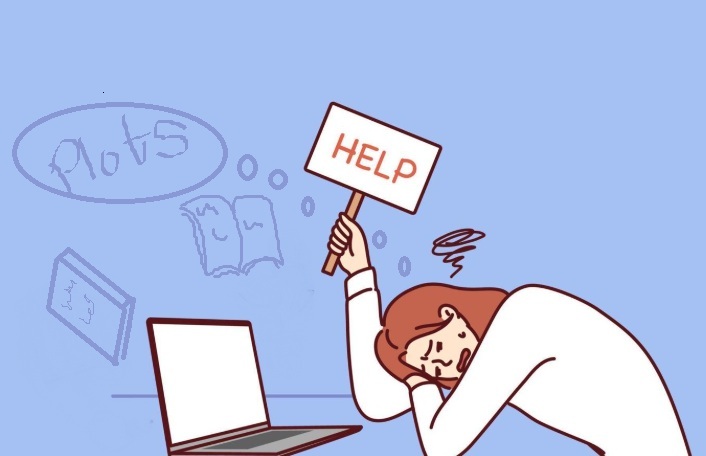
I’m not a natural planner, but the alternative is no contract so I’ve had to learn. I thought it might be helpful to share some thoughts on how to plan when planning is not your natural state.
- Write the blurb first. Drafting two hundred words forces you to say what it is, who it’s for and why anyone should read it. This teases out the key hooks and makes you sell your story rather than describe it. It’s a creative, fun place to start, and it gets you thinking about the whole book rather than the first few chapters.
- Write one sentence per chapter. This helps me think about the structure. I like to start with a notepad and pen, just to give me that sense of freedom. This is my space to scribble things out, play with coloured pens and squeeze notes in the margin in tiny handwriting.
- Plan in questions rather than statements. Take Chapter four: why rest matters versus why do so many of us treat rest as something we have to earn? Instead of writing a list of uninspiring reasons, I can really get to the point of what I’m trying to say because questions offer much more clarity. This is the one I’ve found most effective and would 100% recommend you test out if you don’t already do this.
- Keep it movable. One of the reasons I shy away from plans is that I feel constrained by the structure or I struggle to know when to depart from it. I think of my plan as a draft rather than a final decision, and this tiny shift in how I think about it has given me permission to adapt my plans when I need to.
- Say it out loud. Explain the book to a friend, a voice note or your pet. Hearing it out loud helps to identify where you don’t fully understand where you’re going with it yet. This gives you a slightly different way of thinking about the plan so you can get it onto paper
I’m still not a natural planner, but I’ve found a surprising number of benefits to planning. Problems turn up while they’re still a page of notes rather than a full first draft. On the days I haven’t got the stamina for the difficult chapter I can dip into an easier one instead of writing nothing at all. It also keeps me out of the research rabbit hole, because when I know what a chapter needs I look that up, instead of looking up everything and ending up eleven tabs deep in the history of a canal in Belgium that will never appear in the book.
The thing I was most worried about was that planning would take the fun out of writing, and it hasn’t. Writing is still the part of the job I enjoy most, and knowing roughly where I’m going hasn’t stopped the plotline surprising me or being able to get creative. I’m just channeling that creativity in a slightly different direction, which is helping me reach my writing goals faster.