From the Floor to the Front of the Room
Every Saturday morning, my Mum would drop my sisters and me off at our local library to exchange our weekly haul.
I headed straight to the shelves, browsing with the same eagerness that my sisters showed at our next stop, the sweetshop, moving slowly along the shelves in the hope of finding something I hadn’t read before. I’d pick books up, flick through well-thumbed pages, change my mind and sit on the floor to read the first few pages. Sometimes I left with a stack of brand-new material to work through. Sometimes I went back to something I had already read and took it out again.
Reading was my go-to place, and the library made it easy to access stories I would not have come across otherwise. I fell in love with characters and became invested in their worlds, went on fantastical adventures and found new heroes, not just in the books, but in the authors who wrote them.
Libraries are not just places to borrow books: they’re safe, community spaces, where people return to without needing a reason, and I still get that same feeling walking in. The smell of hundreds of books encased in plastic jackets, the flicking of pages, chairs scraping quietly across the floor, printers whirring in the background, footsteps coming and going. It’s a steady space where you can settle, whether you’re there to read, write, or just spend time.
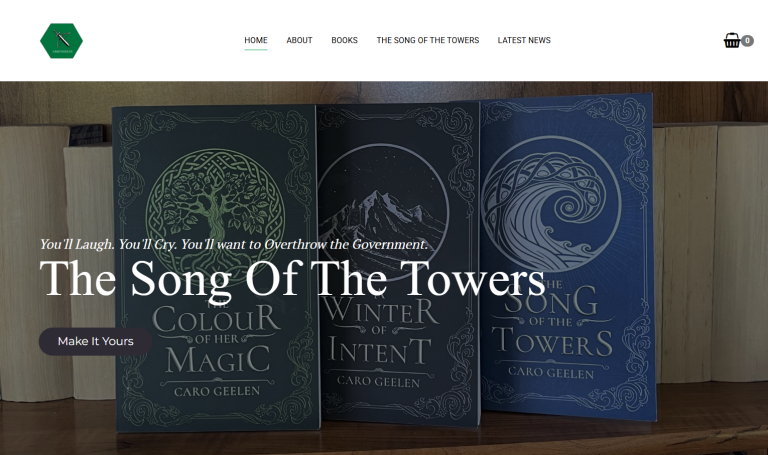
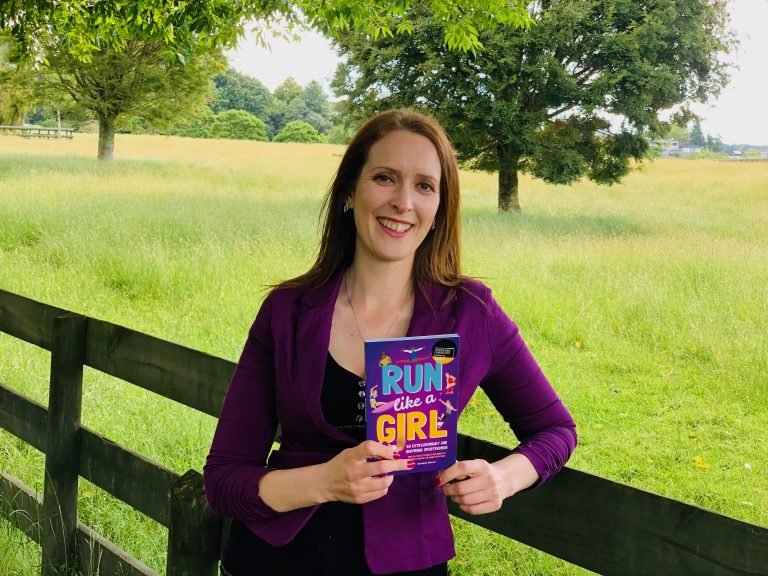
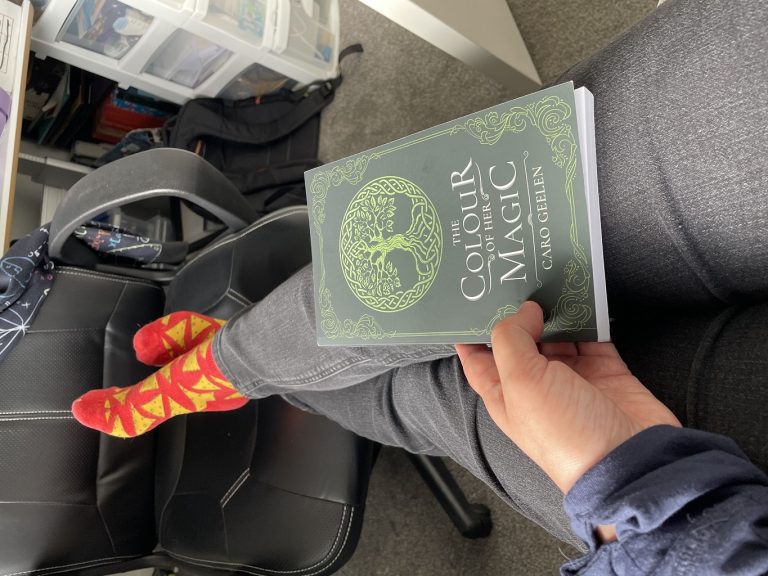
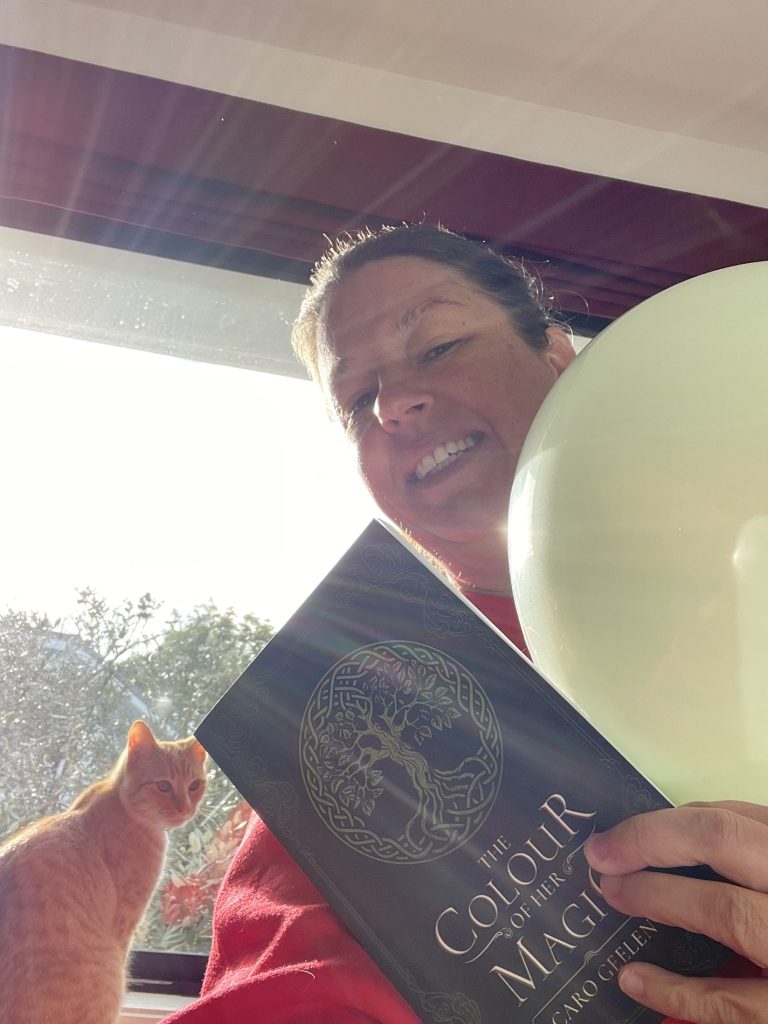
Seeing my own books on library shelves for the first time was one of those moments that does not quite feel real (squeal!), and running events in those same spaces still takes a second to get used to. Standing at the front instead of sitting on the floor with a pile of books beside me has not lost its novelty.
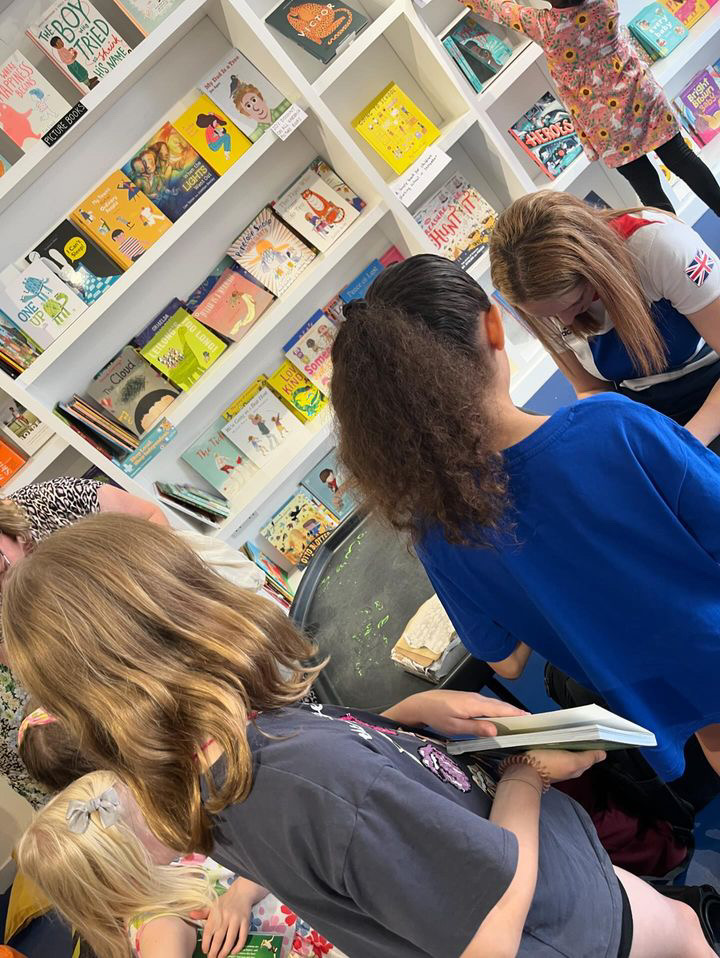
They are also some of my favourite places to deliver sessions. Librarians understand how people engage with reading. They see it every day, in all its different forms, and they are constantly finding ways to make reading exciting. There’s always something going on, like workshops, reading groups, school holiday sessions, themed events tied to what’s happening more widely.
Events work because they bring stories off the page. They give people a way to interact with ideas rather than just read them, and that changes how those ideas stay with them and the author who writes them.
For writers, this makes libraries one of the most accessible places to connect with new readers.
It’s easy to assume that you need to be invited in, but most libraries are already looking for ways to connect readers with topics in lots of different formats. The starting point is usually to look at what’s coming up in your local library, seeing what themes they are working with, and thinking about where your work might fit.
I write children’s books, which might seem like a more natural fit for library events, but workshops can take many forms. It might be something practical, like helping people build a character or shape a short scene. It might be a conversation about becoming a writer, or a session that gives people a way into storytelling if they’ve not tried it before. The key is finding a clear link between what you do and something that people can engage with quickly.
The sessions themselves do not need to be complicated. In fact, the ones that work best usually have a practical and clear focus that people can get into without needing a long explanation. What matters is that people leave having done something, not just listened.
Running events like this gives you a direct line to readers. You see what captures attention, what people respond to, and what they are curious about. You see where people hesitate and where they get stuck in.
If you’re interested in getting involved with events, the first step is usually simpler than expected. Find your local library, look at what they already have planned, and work out where your idea might sit.
Most libraries have someone responsible for events or community engagement, and a short message explaining who you are, what you do, and what you are proposing is usually enough to start a conversation. It helps to be clear: don’t just say that you would like to run something, but what that something actually looks like.
Libraries are already set up for this kind of work. They are used to bringing people together around stories, and they are always looking for ways to make that happen in different ways. It’s less about finding the perfect opportunity and more about recognising that the space already exists.
It feels amazing when things come full circle.
The same places that introduced me to stories, characters, and writers are now the places where I get to share that process with other people. The shelves are still there, the atmosphere has not changed, but the way I move through the space has.