Finding the Right Chemistry
With 52 published novels and novellas under my belt, you’d think I’d have some experience with beta readers. But sadly, I’ve never found one that I have the right mix of chemistry with. A beta reader isn’t a champion reader – someone who reads a first draft and says “I love this character”, “This story is great”, or even the classic family member comment, “I’m so proud of you for writing a whole book and it’s lovely, my dear.”
Or in the case of a rather famous author that I know, whose mum wanted to read her book when it released. “Can I read it without the sex scenes?” to which the author replied, “Yeah, but it’ll only take you about two minutes.”
A beta reader reads to improve the book. It should work like a developmental edit, but before that stage. Does the plot make sense? Are the characters consistent, and do they grow emotionally on the page in a logical way? Can you give me feedback which is helpful without crushing my spirit?
It’s a lot to ask from someone, and it takes a bit of testing to get right. Most of the times I’ve used a beta reader, I’ve ended up with a champion reader – which is lovely, but damn, it’s also annoying because I haven’t ended up with any improvements.
I’m lucky that I’ve worked with several amazing developmental editors over the years, and have come to understand that I tend to write quite clean plots and emotional arcs that usually don’t need much. Well, except for that one that an editor at Harper Collins asked me to completely rewrite in a 10 day deadline. “I think this would work better if we moved the bushfire from the dark moment at the end to the beginning of the book and made the character work about the impacts of the fire.”
But the thing is – I knew there was something wrong with that book, and I’d already written it under a tight deadline, so I just threw it at the editor and hoped for the best. Normally, I let a book rest for a month or more, especially if it doesn’t feel right, and somehow my brain ponders the solutions and figures it out. Not always, though, and that’s when a beta reader or a developmental editor can be a massive help. Sometimes experience can help you know when you need this and when you don’t.
I’ve also had good experiences with paid sensitivity readers. It’s not something I do for every book, because to be honest, I can’t afford that, but early in my writing career, I paid for a few of these to deal with topics such as disability and race. The first time I used a paid sensitivity reader was for Serena in Two Hearts Healing. She’s a jockey with a brain injury, and I interview four jockeys who’d had a similar experience before I began to write the book. But as a queer able-bodied white author, I was aware that I was writing a character who is outside my own lived experience. And the comments from the sensitivity reader were invaluable, and not just on disability but on my own biases through the text. I still refer back to those notes occasionally.
It’s the unknown biases that you have – we all have them – that filter into your writing from your subconscious. It’s why writing is inherently political, even when you deliberately try to avoid politics. You actually can’t avoid politics. You can avoid overt politics, sure, but when you, the writer, decide on everything in your book, your own beliefs fill the page whether you intend that or not. Who gets to have power? Who dies? Who gets a satisfying ending? Who thrives? Which characters have agency and make decisions, and which characters have life just happen to them?
Finding a beta reader that helps you grow can be critical in your development as an author, but a beta reader that doesn’t understand what you are trying to say can crush you. It’s a relationship that can be delicate and needs the right chemistry. Personally, I’ve found developmental editors much more useful.
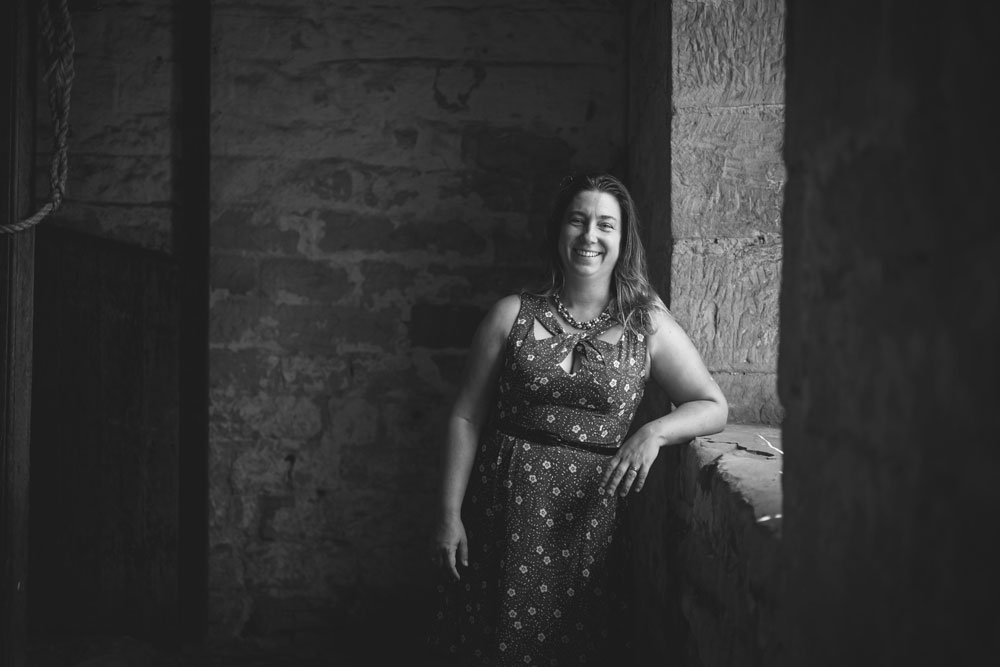
Renee Dahlia
Author of Sassy Daring Romance